
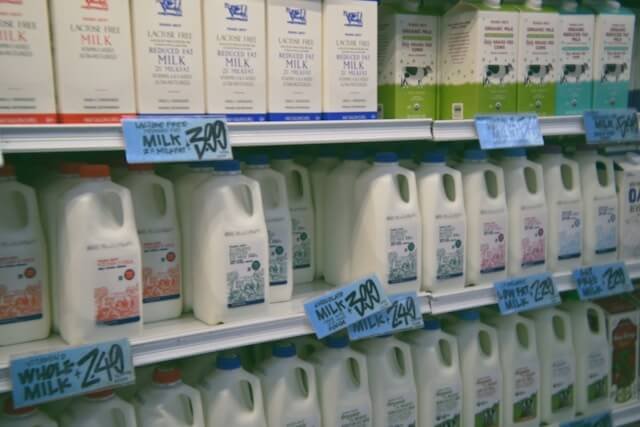
Suddenly, finding organic milk at the local grocery store feels more like a game of chance. Moms, coffee shop owners, and regular people in the Northeast U.S. just want their usual half-gallon, but lots are coming up empty. Shelves stay patchy. Prices swing. Everyone’s asking: what happened to all the organic milk?
There’s more to this than just bad luck or simple supply chain mess-ups. Organic milk in the Northeast is going through something pretty big part disaster, part long-ignored problems coming to a head.
The Perfect Storm: Severe Drought and More
Let’s start with the obvious: weather. The 2025 drought was a nightmare for the whole region. Vermont, New York, Maine, and beyond just didn’t get the rain they counted on. For organic dairy farms, that spelled trouble in a hurry.
Why? Grass-fed and organic cows need real pastures. Without decent rain, pastures dry up. The grass stops growing, and hay fields yield way less. By August, many farmers realized their winter hay reserves were at rock bottom. Suddenly, they had to buy feed from hundreds of miles away, at wild prices if they could get it at all.
For a lot of organic farms, this meant culling herds to stay afloat. Some had to sell off cows they’d carefully raised organically, just to cover immediate costs. Feed bills easily hit $600 per ton, sometimes higher for certified organic hay. These numbers are the kind of thing that keeps farmers awake.
The Organic Premium and Its Tough Reality
Organic dairy is supposed to fetch a premium, right? It usually costs more because the cows eat certified organic grains and live mostly on pasture during the summer. There are no growth hormones or standard antibiotics. In theory, this premium is what keeps small family farms alive in an expensive world.
But 2025 turned a lot of those numbers on their head. Even as hay costs piled up, the price for what those farmers got for each hundredweight of milk actually fell. Factory-scale organic dairies, especially out west, were already flooding the market. Many don’t look much different from big conventional feedlots, even if there are some technical differences in how they’re run.
This oversupply pushes prices down for everyone, but small and medium-sized Northeast dairies get hit hardest. They face different weather, tighter land, and much higher feed costs than a mega-dairy in the middle of the country.
Family-scale organic farms say it costs two to three times more to raise an organic calf compared to regular. They eat more purchased forage, too about 36% of their feed, way up over the past decade.
When milk checks get smaller, and bills get bigger, staying in business gets tough.
Loose Rules, Tough Economics
The U.S. Department of Agriculture is supposed to make sure organic rules are real. For a lot of Northeast dairy folks, there’s frustration about how unevenly the rules get enforced.
One problem: some big operations “convert” regular cows or even whole herds into organic after only a short transition period, which is legal but skews the playing field. Authentic small organic farms that raise their own, feed organic hay, and stick to the strict rules say this undercuts the value of doing the right thing.
It also dries up the market for organic heifers. If anyone can switch conventional calves to organic with hardly any wait, those careful, slow-growth herds from the Northeast lose out.
Transparency about where feed comes from and how cows live is also a recurring issue. If you care how your milk was made, this lack of info is frustrating. And for honest farms, it means your hard work doesn’t pay off the way it should.
Price Drops and Scramble for Solutions
If you follow the market, some of this might seem confusing. The overall U.S. dairy supply is growing. The USDA forecasts milk production could hit 234 billion pounds in 2026, up from 231 billion in 2025.
But organic milk prices actually dipped about 2.5% lower in September 2025 compared to the previous year, then down another 3.1% in October. Supermarkets tried to advertise more, hoping to attract buyers with coupons and deals, so advertising spend for organic milk shot up 90% as 2026 started.
Still, ads don’t magically produce more hay. They can’t make up for fields that just didn’t grow because rain never came. The supply of certain organic milk types stayed extremely tight especially for fluid milk in grocery markers.
Labor Shortages: Another Headache
While drought and market forces hit hard, there’s a bigger, long-term issue behind the scenes: dairy labor shortages. The pandemic years made it much worse, but it’s still a huge problem.
Dairy farms need skilled workers who actually know how to care for cows, run milking equipment, and handle the odd hours. That’s true whether it’s organic or conventional. When labor is tight, farms sometimes cut back production or spend more just to keep running.
This ripples through the cost of milk for everyone maybe even more for small organic dairies, which don’t have much room to raise wages or offer benefits.
Add up labor shortages, expensive feed, and the out-of-whack milk prices, and it’s clear why organic producers, especially in the Northeast, are nervous right now.
Why This Matters to the Northeast (and to You)
Some people might think this is a niche story just for the diehard organic crowd. But these farms anchor a lot of rural communities in the Northeast. They provide local jobs, keep open space available, and support businesses from feed stores to farmers’ markets.
When a small organic dairy goes out of business, that impact spreads. Shutting down even a dozen family farms changes a region’s economy. It also limits what choices end up on your supermarket shelf.
For people who care about how food is produced animal welfare, environmental impact, buying local these shortages are a warning. If the economics don’t support ethical, regionally rooted farming, fewer people will be able to do it.
How Farmers and Leaders Are Responding
At this point, Northeast organic dairy groups are raising the alarm in a big way. Groups like NOFA-NY (Northeast Organic Farming Association of New York) and NODPA (Northeast Organic Dairy Producers Alliance) are pushing for actual cash help, not just sympathy.
They want buyers like milk processors and big co-ops to add “market adjustment” payments per hundredweight, at least until the next growing season. The idea is to keep small farms afloat during this time of extreme feed cost. Some farmers have asked for individualized help, not just flat payments, since drought impacts have been spotty and depend on local weather, soil, and farm setup.
Federal aid is important, too. But getting money from Washington takes time, with lots of paperwork and uncertainty about when help arrives. In the meantime, cows still need to eat, and banks still want loan payments.
The Push for Transparency and Fairness
There’s also a big call for better rule enforcement at the USDA level. Many Northeast organic leaders believe that “real” organic dairy needs clear, evenly enforced standards. They say when the rules get fuzzy, everyone loses farmers, consumers, and all the groups in between.
Some are trying to build more direct-to-consumer networks, or work with smaller milk brands that really explain where their milk comes from. But the larger system still matters, since most milk sold in the U.S. travels through a few very big buyers.
That’s why leaders are meeting with buyers and policymakers, arguing that if milk prices don’t cover costs even in a tough year farms won’t last for the next one.
What Happens Next?
So, will all these calls for help actually work? Milk buyers, processors, and advocacy groups will keep talking sometimes arguing over what “fair” looks like. Some big supermarket chains say they support local milk, but it depends whether they’re willing to pay a premium for regionally produced organic.
In the Northeast, the coming year will be crucial. Some farms have already exited production or reduced their herds. Others are just hanging on, hoping for better weather or a late federal check to cover the cost of winter hay.
Realistically, unless milk prices adjust or aid comes quickly, more small organic dairies will close. Big dairy organic or not will likely keep growing its share of the market. For everyday shoppers, that likely means less variety at the store and, eventually, higher prices as supply stays tight.
It’s worth noting: nationwide, these shortages haven’t spread much beyond New England and upstate New York, at least for now. Some regions had better pasture luck or different feed sources. But the market is connected what happens in one region often affects everyone over time.
Keep an eye on USDA reports and surveys over the next few months. They’ll show whether aid is actually helping and if new droughts or labor issues make things worse. For people interested in broader food business news and how these farm crises ripple out into the wider economy, you can find some ongoing coverage at The Biz Serum.
No easy fixes here. The organic milk shortage in the Northeast is a classic story of local shocks meeting national market issues. At the store, milk might cost a bit more. But for those raising the cows, it’s a question of survival will their way of farming still be possible next year? That’s the part most people never see, but it’s what matters most to the folks who make organic milk possible.

