
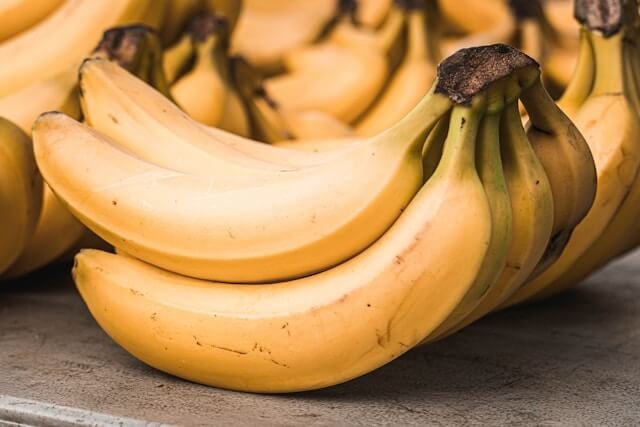
Bananas seem like the sort of fruit that’s always there. They sit on grocery store counters, show up in school lunches, and get tossed in smoothies or cereal. But if you’ve noticed bananas looking smaller, more expensive, or just flat-out harder to find lately you’re not imagining things. There’s a genuine, growing shortage facing the banana industry worldwide.
Bananas are more than just a convenient snack. For many countries especially across Latin America and the Caribbean they’re a crucial export and a big part of the daily diet. The impact of this current shortage stretches far beyond supermarket shelves.
What’s Behind the Banana Shortage?
Honestly, it’s not just one thing. The banana shortage is the result of a mix of big problems hitting all at once.
Let’s start with plant diseases. These aren’t the kinds you can fix with a quick spray or two. We’re talking about persistent fungal diseases that target bananas at the roots and leaves, sometimes leaving entire fields useless for years.
The worst of these is Tropical Race 4, better known as TR4 or Panama Disease. It attacks the roots, so farmers can’t really remove it once it shows up. Some fields become no-go zones for banana farming for decades. This fungus isn’t stuck in one spot either. Since the 2010s, it’s been spreading fast from Asia and Australia right into Latin America and Africa, hitting key banana-producing zones.
Then there’s Black Sigatoka, which targets the leaves instead of the roots. It flourishes in humid conditions something we’re seeing more of with all the climate change. This disease can chop banana yields in half if farmers don’t control it constantly.
But these diseases aren’t acting alone. Climate change is working right alongside them. Warmer temperatures and more humidity help fungi spread, making life even harder for growers. At the same time, banana plants are vulnerable to heatwaves, droughts, and flooding. A recent study in *Nature Food* found that in Latin America and the Caribbean, the area suitable for banana growing could drop by 60% over the next few decades. And these places provide around 80% of the world’s banana exports.
There’s another issue that’s been brewing for years: bananas are basically all clones. The variety you eat most of the time is called Cavendish. Almost every banana in a supermarket is a Cavendish. This is great for shipping and consistency, but it’s a nightmare for disease resistance. If one banana plant is vulnerable to a disease, they all are. Farmers and scientists have warned for years that this lack of genetic diversity could create a weak spot. Now, we’re seeing exactly what that means.
Finally, even when the crops make it to harvest, getting them onto ships and into stores isn’t as simple as it used to be. Recent strikes at American ports slowed imports. Supply chain headaches left over from the pandemic still haven’t sorted themselves out in many places. On top of that, there are labor shortages both at the source where bananas are picked and in distribution.
The Evidence: Bananas Are Really Running Low
Industry numbers show just how tough things have gotten for growers and shippers. Take Costa Rica, one of the world’s biggest banana exporters. At the start of this year, exports dropped more than 20% compared to recent averages. Local farmers there blame a mix of disease, extreme weather, and tougher economics.
If you look at the bigger supply chain, the warning signs continue. Fresh Del Monte, one of the main companies behind those yellow fruit you see everywhere, says the gap between how many bananas people want and how many are available is growing. If the trend keeps going, you could see shortages and even higher prices in the not-too-distant future.
Other big banana-producing nations like Ecuador and Colombia are reporting similar export declines. Fungal diseases are making it costly just to keep existing crops alive even before extreme weather takes a toll.
So, Who’s Affected When Bananas Go Missing?
You might think this is just about picking a different fruit at the store. But the effects run deeper, especially in the countries where bananas are big business.
Worldwide, more than a million people depend directly on banana farming or export. In places like Ecuador, Guatemala, and the Philippines, bananas are the backbone of their agricultural exports. When crops fail or prices drop, it’s not just about lost income. It can mean real pain for whole communities wages shrink, rural job opportunities disappear, and local economies weaken.
For consumers, a banana shortage doesn’t just mean choosing apples or grapes for a while. Bananas are a staple in many diets because they’re cheap and packed with nutrients. If prices surge, lower-income families may end up going without a basic, reliable food source.
It’s also a headache for small-scale growers. Bigger companies might have reserves to handle a sudden fungus outbreak or bad weather but smaller farmers often don’t. If their crops get hit, there’s nothing else to fall back on.
Just in the last few years, we’ve seen banana prices inch up in several international supermarkets. Experts are warning that if these trends keep piling on disease, climate woes, and shipping problems both producers and everyday shoppers could feel even more pressure within two decades.
What’s Being Done? (And Is It Enough?)
Growers and scientists aren’t just waiting for the next bad harvest. There’s a lot of research going into finding a banana that can actually stand up to these diseases. Some teams are experimenting with cross-breeding wild banana types, which aren’t nearly as pretty or tasty as Cavendish but survive the worst plant diseases.
Curing TR4 completely is still out of reach. But researchers are closing in on new varieties that combine the disease resistance of wild bananas with the sweetness and shape that consumers want. That’s harder than it sounds. Bananas don’t reproduce like normal plants, so crossing them takes years of lab work and testing.
While those efforts are ongoing, farmers on the ground are trying new approaches. Instead of planting huge fields of one type of banana, some are mixing in different crops or using better drainage and soil management to keep fungi at bay. These moves all buy time, but they can also cost more sometimes a lot more to pull off.
Some producers are investing in special coverings or climate-controlled methods to slow disease spread. But again, those solutions aren’t cheap, and smaller operations might struggle to afford them.
Meanwhile, on the policy side, governments and trade organizations are chipping in grants for research or disease monitoring. But change comes slowly. When most bananas heading to supermarkets are still from the same vulnerable Cavendish variety, the risk remains.
If you’re curious about how these kinds of supply chain and agricultural stories are playing out in other markets, there’s a lot more detail at The Biz Serum, where experts track the big economic shifts and trade news.
So, What Should We Expect Going Forward?
Right now, the banana shortage is a wave rolling through the industry, not a one-time story. Climate disruptions and fungal diseases aren’t likely to disappear overnight. The market may keep seeing higher prices and smaller, less predictable supplies for quite a while.
We’ll probably start to see more alternative banana varieties pop up in stores, but that switch won’t happen all at once. You might notice fruit with a slightly different taste or size if supermarkets bring in new types. For most of us, that’s not a big deal but it signals the industry is scrambling to adapt.
For export-dependent economies, the real test will be whether research and on-the-ground innovation can keep up. If new disease-resistant bananas can be grown at scale, there’s hope to keep the trade steady and protect jobs. But it’s a race against nature, and right now, nature’s winning more rounds than we’d like.
So next time you reach for a banana at the store, it might be worth a second look. That fruit comes with a bigger story one involving science labs, global trade routes, climate change, and a growing fight to keep the world’s most familiar fruit on the table. Farmers, researchers, and industry leaders are working on it, but the outcome is still very much in progress.

