
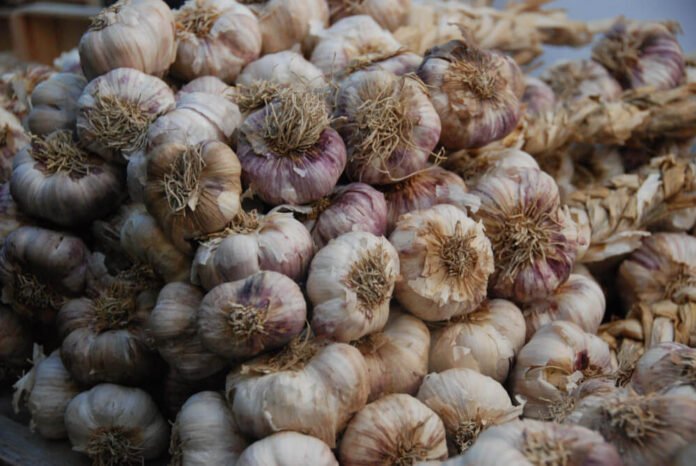
Most of us don’t think twice about grabbing a bulb of garlic at the store. It’s just one of those kitchen staples. But suddenly, you start hearing chatter: “Garlic shortage.” Prices are up. Maybe your favorite restaurant had to make do with less garlic powder in the breadsticks. So what’s actually happening with garlic right now?
Let’s break down what’s going on, what the word “shortage” really means here, and if you’ll actually need to worry about your next batch of garlic bread.
A Quick Look at the Garlic Market
Garlic is a global business maybe more than people realize. It’s the base of so many cuisines: Indian, Mediterranean, East Asian, Latin American, you name it. By volume, it’s one of the top seasoning crops in the world.
The worldwide garlic market has gotten pretty massive. As of the most recent global stats, producers harvest over 30 million tons per year, and a chunk of that gets shipped across continents, both as fresh bulbs and in forms like garlic powder.
So when people talk about a “garlic shortage,” what do they mean? For fresh bulbs, it would mean empty shelves for weeks, prices through the roof, and no easy substitutes. For garlic powder or processed forms, shortages usually show up as higher prices and intermittent supply problems, depending on where you live or buy.
Right now 2025 and looking toward 2026 reports of a true global crisis are overblown. There isn’t a worldwide drought of garlic. Instead, we’re seeing some regional disruptions, which spill over into price hikes and tighter supplies in certain markets, especially for things like garlic powder.
What’s Messing With Garlic Supplies?
The short answer is: it depends on where you are, what garlic product you want, and when. But several big factors keep popping up.
Unpredictable Weather
Every major garlic-growing region has had some weather drama lately. In 2024, India took a hit with heavy rains in states like Madhya Pradesh and Maharashtra both major garlic-growing areas. The rain led to water-logged fields and delays in getting bulbs out of the ground. Spain, which is known for its purple garlic, dealt with hailstorms and bursts of heat, messing with both quality and size.
China, which grows more garlic than every other country combined, wasn’t totally immune. Cold snaps during sensitive growing periods caused minor yield drops in a few places, even if exports seemed healthy on paper.
Pests and Diseases in the Soil
Another ongoing headache is disease. Fungal pathogens think white rot or neck rot get into the soil and can hang around for years. They shrink bulb size, lower yield, or make storage nearly impossible, since infected garlic spoils fast.
When weather turns just right (or wrong), these diseases flare up. India’s had a rough go, with fungus ruining parts of its 2024 harvest, making a thin year even worse. Spain’s losses in purple garlic mostly came from viruses and soil-borne fungi, making some regions nearly unprofitable to keep planting.
Labor Costs and Worker Shortages
Then there’s the simple reality that garlic is still largely picked by hand. Harvesting bulbs means bending, pulling, sorting work that’s hard to automate fully, especially for top-grade bulbs or rare varieties.
In places like Spain and China, labor costs are rising. Finding enough workers at harvest time is a struggle. It keeps costs high and sometimes limits how much can be harvested quickly, especially when weather means everything comes ripe at once.
Trade Wobbles and Regulation
Even before you talk tariffs, garlic is a price-sensitive market. When a country gets a cheap offer from China which produces more than 70% of the world’s garlic it’s tough for smaller or costlier producers like Spain or the U.S. to compete. Cheap Chinese garlic undercuts Spanish and Peruvian prices, turning their markets unpredictable.
Add in duties or changes in export or import rules, and some regions see wild swings in supply and demand. The U.S. and Europe occasionally raise tariffs or run checks on quality, slowing shipments and pushing prices higher for a month or two.
Region by Region: Where are the Ripples?
Let’s get into the patchwork of what’s happening now, and who’s feeling it most.
China: The Garlic Giant Stays Steady
China makes up about 72%-80% of global garlic exports and its role can’t be overstated. Exports look stable for 2025 following a few setbacks in 2024 from colder weather, but Chinese supply is generally steady. Prices haven’t jumped much, thanks to moderate global demand and a solid harvest.
Most of the world’s garlic powder also flows out of Chinese processors, so any clogs in their system tend to trickle down to ingredient buyers everywhere.
India: Short on Supply, High on Prices
India’s story is a little rougher this year. As the world’s second-biggest garlic grower, India set records for harvested area, but bad weather and fungus wiped out large chunks of local crops in Madhya Pradesh and elsewhere.
The result? Prices shot up by 30% or more in many states, and at the wholesale markets, some buyers are bracing for sticker shock if trends keep up potentially double by harvest’s end. If you’re used to cheap garlic in India or neighboring regions, the difference is noticeable.
Spain: High Costs, Lower Production, and Import Headaches
Spain has seen a 15-30% drop in garlic output, mainly blamed on high production costs, labor, and problems with viruses and fungus. Farmers are pulling back planting, especially on purple garlic, which took a massive cut (down by almost one-third).
Spanish prices could go up again, but with an avalanche of cheap imports from China on the European market, local growers are having trouble selling what they do produce at a good margin. It’s a squeeze from both ends.
North America: Holding Steady for Now
Most garlic in U.S. supermarkets comes from California or China, and so far, shelves aren’t empty. Tariff fights and some slowdowns in demand haven’t caused major shortfalls. But North American importers are always keeping an eye on cost, especially with new-crop garlic soon to arrive from Argentina.
Producers remain alert, watching how Chinese supply and international prices play out. Demand isn’t red hot, but there are more buyers than there used to be.
Other Players: Peru, Brazil, South Africa, and Argentina
In South America, Peru and Brazil are struggling with falling prices because cheap Chinese garlic keeps undercutting their market. South Africa, meanwhile, ended up oversupplied, which actually pushed prices down locally at least for now.
Argentinian farmers are harvesting a larger-than-average crop, but they’re diving into a market that’s pretty crowded. For exporters, finding buyers overseas is hard, especially with China’s dominance in bulk garlic and powder.
Following the Money: Market Trends and Predictions
The global garlic game doesn’t show signs of slowing down. Analysts expect production to climb toward 32 million tons in the coming years, with total market value predicted to reach $45.6 billion by 2035. China is the engine, but India is the big wild card fast growth but easily thrown off by weather.
Import prices for 2024 were at $1,533 a ton the highest end found in the U.S. Garlic powder and dehydrated garlic are where things get trickier, since weather hits both harvest timing and drying/processing windows. Some buyers are still dealing with supply shortages and higher prices tied to the rough 2024 harvests in India and Spain, but early returns from the next round in China, Egypt, and Spain look better.
Asia-Pacific stays on top, holding a 55% slice of global demand, and India keeps its role as an important swing supplier each year. Dehydrated garlic and powder (used in everything from fast food to frozen meals) should stay in demand and might reach a $6+ billion market by 2026, with fresh garlic close to $22.4 billion. Both are growing steadily, around 5-6% per year.
For those who track industry moves or want to know more about the garlic supply business, check out The Biz Serum for regular updates without the technical jargon.
What Does All This Mean for You?
Honestly, you probably won’t notice a global garlic “shortage” if you’re cooking at home or shopping for fresh bulbs at a normal supermarket. Most stores in the U.S., Europe, and Asia have regular supply, even if prices wiggle up and down.
The bigger problems are for ingredient buyers those buying garlic powder, dried flakes, or serving big restaurants and food manufacturers. That’s where weather, trade disputes, and processing bottlenecks are still felt.
If you’re in India, Spain, or parts of South America, you might see sharper price swings or more variation in quality. Smaller local markets are simply more exposed.
Garlic is likely to stay on the grocery list, but you may notice prices going up or down, depending on regional hiccups. For now, there’s no sign of a fresh garlic apocalypse just the usual messiness of global farming and trade.
So, whether you’re buying a bulb for your pasta sauce or adding garlic powder to popcorn, production and prices will shift a bit for the next year or two. But the world isn’t running out of garlic any time soon. That’s good news for cooks, food lovers, and just about anyone planning their next meal.

