
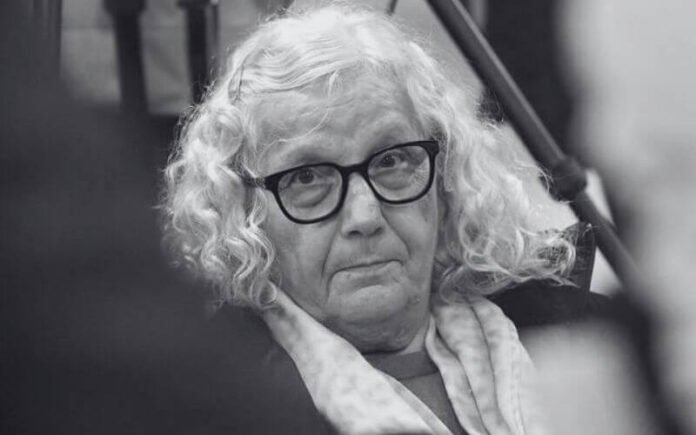
Jurka Gravić is a name that may not be widely known around the world but she is a central figure in the life story of one of football’s most iconic athletes. Best known as the mother of Zlatan Ibrahimović, Gravić’s life journey from her Croatian roots to raising a family in Sweden embodies resilience, hard work, and quiet strength. Her experience offers powerful insights into the family background that helped shape a sporting legend and reveals the human story behind Zlatan’s rise to global football fame.
Who Is Jurka Gravić?
Born on April 16, 1951, in what is now Zadar County, Croatia, Jurka Gravić is of Croatian nationality and best known as the mother of professional footballer Zlatan Ibrahimović. While Zlatan’s extraordinary achievements on the pitch have earned him international recognition, Gravić has remained a relatively private figure, known mainly through stories of her influence on her son’s upbringing rather than any personal public career.
Unlike many celebrity parents who seek limelight or media coverage, Jurka has maintained her privacy, choosing to stay out of the public eye while her name became familiar through Zlatan’s narrative. Her life story resonates not for fame but for substance a working‑class immigrant mother whose daily dedication helped lay the foundation for greatness.
Early Life and Background
Jurka Gravić was born in Croatia during a period of post‑war change and mobility in Europe. Although details about her early years are limited, what is clear from available sources is that she grew up in a community with strong familial and cultural ties values that would accompany her throughout life.
Her Croatian roots reflect a heritage steeped in tradition, family loyalty, and resilience traits often found in immigrant narratives. Although very little is documented about her childhood or education, the emphasis in most narratives is on her role as a parent and family anchor during challenging times.
Journey to Sweden and New Beginnings
Like many Europeans in the mid‑20th century seeking better opportunities, Jurka emigrated to Sweden, eventually settling in Malmö a city known for its cultural diversity and growing immigrant population. It was in this environment that she met her husband, Šefik Ibrahimović, a Bosniak man from Bosnia and Herzegovina.
Their life together began against the backdrop of a new country, unfamiliar language, and the realities of immigrant life: hard work, economic struggle, and the challenge of raising a family far from home. This was not a glamorous start, but it was grounded in ambition and hope essential ingredients in any immigrant success story.
Family Life and Personal Story
Jurka and Šefik Ibrahimović had several children, among whom Zlatan was born on October 3, 1981 in Malmö. Zlatan grew up in Rosengård, a working‑class neighborhood with a vibrant immigrant community but also with economic challenges. Growing up in this environment would later become a defining part of Zlatan’s identity and ambition.
Despite the challenges, Jurka’s role as a mother was notable for the structure, discipline, and work ethic she instilled in her children. Swedish media and biographical materials often describe her as someone who worked tirelessly to keep the family on its feet.
Family life was shaped in ways common to many immigrant households: navigating cultural adaptation, balancing work and home responsibilities, and striving to give children opportunities their parents may not have had. Her influence was not glamorous but it was fundamental.
Life of Hard Work and Determination
A significant chapter of Jurka’s life was her profession. According to several media reports, she spent years working as a cleaner while raising her family in Malmö. This type of work is often physically demanding and requires discipline, consistency, and commitment traits reflected in the way she managed her household.
For many immigrant families, stable employment like this becomes a cornerstone of survival and progress, even when it does not attract public attention. Jurka’s everyday life clocking into labor, managing household responsibilities, and supporting her children’s dreams illustrates a deeper, quieter form of influence that often goes unnoticed.
Her determination to make life work demonstrates how strong family discipline and uncelebrated labor can contribute to future opportunities for the next generation including allowing Zlatan to pursue his football goals.
Public Recognition and Cultural Impact
While Jurka did not seek fame, her name has appeared repeatedly in narratives about Zlatan’s upbringing and resilience. Swedish sports media often refer to her as an important figure in the early life of one of Sweden’s greatest football stars not because of public statements or interviews, but because family context is essential in understanding a sportsperson’s roots.
Her portrayal in books, documentaries, and biographical retrospectives such as “I Am Zlatan” further cements her place in the cultural narrative surrounding Zlatan, even if she herself remains a private individual.
In a cultural sense, the story of Jurka Gravić underscores a broader immigrant narrative: parents who work hard, balance multiple responsibilities, and help their children seize opportunities that may otherwise be out of reach.
Influence and Legacy
Even without a public-facing career, Jurka’s legacy is interwoven with the life and identity of her son, Zlatan. Her influence is seen less in headlines and more in the traits that define Zlatan’s approach to life: discipline, resilience, and an internal drive to succeed.
Her legacy extends beyond football fans, touching anyone who appreciates the human side of success: the parents who work behind the scenes, the migrants who adapt to new worlds, and the families that sacrifice for future generations.
Although she may not be widely interviewed or featured in media, the respect she earns in context contributes to a fuller understanding of what it takes to build not only a stellar athlete but also a grounded human being.
Conclusion
Jurka Gravić’s life is not a tale of fame or public recognition, but it is a story rich with meaning and influence. Born in Croatia and raising a family in Sweden, she represents the countless immigrant parents whose everyday courage and commitment lay the foundation for future achievements. Her journey from a working mother in Malmö to the mother of a global football icon illustrates that success is rarely a solo endeavor. It’s a collective effort rooted in love, hard work, and consistency.
Gravić may not be a household name outside of Zlatan Ibrahimović’s story, but her impact resonates with anyone who understands what it means to give everything you have for your family’s future. Her influence lives on not just in the career of her son but in the broader narrative of resilience and determination that categorizes many immigrant success stories worldwide.
Also Read:

