
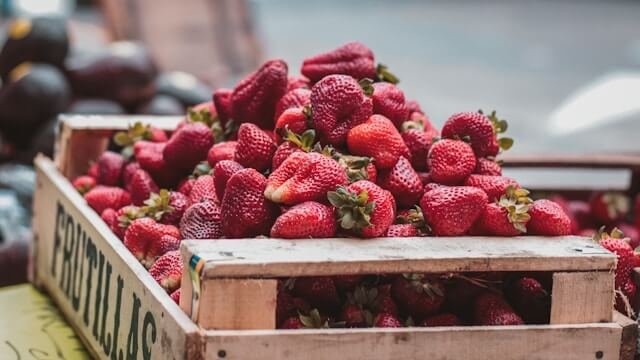
If you’ve been to the supermarket lately and noticed the empty spot where fresh strawberries usually are, you’re not alone. Right now, there’s a strawberry shortage that’s hitting grocery stores, restaurants, and homes in both North America and Europe. It’s not just about a few missing cartons stores are selling out fast, and prices for the berries that do make it to shelves are way up.
The shortage is being felt from major chains and local fruit stands all the way to your kitchen table. Many people who love adding strawberries to smoothies, breakfast cereals, or desserts are already searching for other options or settling for frozen berries instead.
Where the Shortage Hits Hardest
The main growing regions that supply the U.S., Canada, and parts of Europe are all in some level of trouble this season. Florida is the big winter berry producer for the U.S., while California is next in line with huge output most of the year. Both places have been affected, and that’s reverberated through the supply chain. Even Mexico, a major supplier to both North America and Europe, is falling short of its usual yield.
Other European producers including the UK are struggling as well, so the shortage isn’t only affecting one side of the Atlantic. The impact is widespread, and it’s showing up everywhere strawberries typically go.
What’s Causing the Shortage?
No single reason is behind the shortage it’s a string of problems that have all come together at once.
Let’s start with the weather. December saw a polar vortex that dropped unusually cold air across North America. Major strawberry fields experienced temperatures under 5°C, and those kinds of lows just aren’t good for fruit that thrives in steady, milder conditions. Cold like that can slow down growth or even kill early blossoms, which means fewer berries for picking later.
On top of the cold, California and Florida got hit with heavy rains. While a bit of water can be great, too much at once leads to soggy soil and an increased risk of plant diseases. It also slows down field work and makes harvesting harder. The timeline for picking gets pushed back, and that delay immediately shows up in grocery stores.
Locally, farmers have said that powdery mildew a fungal disease that basically looks like someone sprinkled flour over the plants has cut yields, too. When these fungi take hold, the fruit doesn’t get a chance to fully ripen, and a lot ends up unsellable. Other diseases also thrive in wet, cooler-than-normal conditions, so it’s been a tough season all around.
Now, add a long-standing labor crunch on top of all that. Growers have had trouble finding enough workers for the major harvest windows, especially as some people switched jobs or left the industry during the pandemic. Combine that with complicated transportation issues like higher fuel prices and supply chain snags and it’s easy to see why berries aren’t getting to stores fast enough.
And there’s a bigger-picture issue, too. A study from the University of Waterloo in Canada predicts that with just a 1.6°C rise in temperature, we could see up to 40% less strawberry production by 2026. So, while this year’s shortage is the immediate problem, growers are also worried about long-range trends.
For the UK and parts of Europe, berry farming has become a gamble. Production costs have climbed about 30% over the past few years, but supermarket prices haven’t matched that pace. In fact, around two-fifths of British berry growers surveyed say they might quit by 2026, simply because they can’t make the numbers work anymore.
The Ripple Effect: Higher Prices and Empty Shelves
What happens when there just aren’t enough strawberries? Prices go up, and some stores run out completely. This season, markets across the U.S. and Europe have reported raspberry-quick sellouts of fresh berries. When they do have strawberries in stock, the prices are noticeably higher than shoppers remember from previous years.
It’s forced people to get creative. Some have switched to frozen strawberries for their smoothies or desserts, which at least hold their flavor and nutrients. Others are turning to different fruits, like blueberries or blackberries, when strawberries are nowhere to be found.
Restaurants and bakeries that rely on fresh strawberries for their menus think shortcakes, cakes, or that classic combo of strawberries and cream are either paying more or changing up their dessert boards. In some cities, you’ve probably already spotted “market price” listed instead of a set cost for a small container of berries.
On the supply side, growers in California, Mexico, and South Texas simply can’t keep up with demand. Fields just aren’t producing as much as retailers hoped for this time of year, and the backup from other countries or regions hasn’t materialized like it sometimes does.
Who’s Picking Up the Slack?
So, are there any bright spots? A few. While the U.S. states of California and Florida have both hit bumps, Baja and Central Mexico are expected to keep strawberries available through at least May, provided the weather doesn’t throw another curveball.
That regional diversity helps, but it’s not a magic bullet. Even Mexico’s output is down due to its own weather swings and labor shortages. The hope is that more stable conditions over the next month will allow Mexico and the southern tip of California to partly fill the gaps.
Plus, some growers are already looking to adapt. In places where open fields just don’t cut it anymore, farms are switching to greenhouse production. These greenhouses can provide more steady conditions, protecting crops from cold snaps and rainstorms. It’s not a perfect fix, since starting up greenhouses isn’t cheap or instant, but it gives some sense of control over what used to be left to chance.
On the tech side, plant scientists have been breeding strawberries for resistance to things like powdery mildew and root diseases. The newest plants aren’t just bigger and prettier; they’re made to survive tough periods, bounce back from stress, and still offer good flavor and color. Over time, more farms are expected to use these hardier berries so a bad season doesn’t completely wipe out the harvest.
What About the Big Picture?
A lot of experts say the current shortage could carry on for several more weeks, maybe even a couple of months. Grocery buyers are watching the weather forecasts and talking to suppliers every day to estimate when things will go back to normal.
Several industry sources, including those following produce trends at The Biz Serum, are tracking updates and warning that supply may remain spotty for a while. The idea is that as soon as things stabilize in Mexico and warmer weather returns in California, shelves will start to look better. Supermarkets are adjusting orders on the fly, juggling shipments from wherever they can find ripe berries.
But there’s no instant fix once plants have already taken a hit for the season. Even with new technology and tougher varieties, if the weather’s off or labor is short, you can’t quickly snap your fingers and refill those shelves.
Will Strawberry Supplies Get Back to Normal Soon?
In the short run, the best guess is that you’ll keep seeing high prices and low supplies for several more weeks. If Mexican harvests improve and spring weather behaves, things could pick up by early summer.
The bigger question is whether the industry can make strawberries less vulnerable to these sorts of disruptions. That probably means more investment in protected growing (like greenhouses), faster adoption of disease-resistant plants, and maybe higher prices in stores to help growers keep farms going.
For people who love strawberries in their daily yogurt, salads, or as a snack, now might be the time to mix in other fruits or buy frozen berries. But don’t count strawberries out just yet those red berries have a way of bouncing back as soon as the sun returns and fields get back on schedule.
For now, the strawberry shortage is just one reminder of how much weather, labor, and supply chains matter for the foods we sometimes take for granted. The ripple effects are everywhere, from breakfast tables and smoothie shops to supermarket aisles. But with steady work and a few smart fixes, we could see those shelves go from empty to overflowing again soon enough.

