
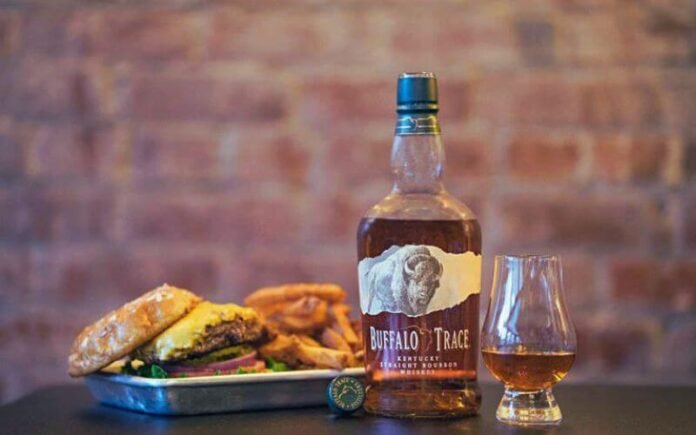
Buffalo Trace is a name that pops up anytime people talk whiskey lately. It’s one of America’s oldest distilleries, with a bourbon that’s become both coveted and tough to find. For the past decade, trying to spot a bottle of Buffalo Trace or its fancier siblings like Weller or Pappy Van Winkle felt like joining a lottery you never win.
So why did this bottle get so scarce? And more importantly, is the shortage finally over? Let’s walk through what got us here, why things are changing now, and what you can expect if you’re hoping to grab a bottle in 2026.
Why Buffalo Trace Became So Hard to Find
A few years ago, bourbon saw a wild boom. It wasn’t just longtime whiskey fans grabbing bottles there was a new, younger crowd, plenty of home bartenders, and plenty of collectors all piling in at once.
Buffalo Trace hit the perfect sweet spot: an affordable bourbon with a great reputation, a big flavor profile, and strong word of mouth. Its higher-end brands Pappy Van Winkle, Weller, Eagle Rare, Blanton’s created buzz with “unicorn” status. People heard these were rare and immediately wanted them even more.
But bourbon isn’t something you can whip up overnight. By law, Kentucky Straight Bourbon has to age at least two years, and Buffalo Trace lines with no age statement tend to age four years or longer. That means new whiskey laid down in barrels during the 2010s boom wouldn’t be ready for years. At the exact same time demand hit the roof, supply was locked to decisions Buffalo Trace made years back.
And when shelves started looking empty, that just made things worse. Before you knew it, every time someone walked into a liquor store and spotted a Buffalo Trace bottle, they grabbed it sometimes three or four at a time. Some flipped them online for double the price. That hoarder instinct accelerated the shortage, turning a challenging situation into a full-on scramble.
The Numbers Behind the Shortage
Look at national production and you can see the scale. Bourbon output in the U.S. shot up 566% between 2000 and 2023. Still, the bourbon had to sit in barrels, quietly aging. So, even as Buffalo Trace moved to make more, it couldn’t catch up overnight especially for brands aging a decade or more. There’s no shortcut in that process.
Meanwhile, stories of desperate shoppers and empty shelves only fed the FOMO. Many bourbon fans found themselves lining up outside stores on delivery day, hoping to spot something rare or even just a basic bottle of Buffalo Trace.
How Buffalo Trace Tried to Keep Up
It took a while, but Buffalo Trace set out on a huge plan back in 2015: a full distillery overhaul. They weren’t just adding some barrels they spent $1.2 billion to double down. Expansion finished in early 2025 and stretched across basically every part of the operation. That included 12 giant new fermenters, a state-of-the-art stillhouse running by 2023, 14 more barrel warehouses, a new bottling line, and a distribution hub.
All of this ramped up their production from about 200,000 barrels a year already huge by most standards to over 500,000 barrels. In other words: more than double. Suddenly, all that new whiskey laid down in the barrels years ago started coming of age. That extra supply meant their flagship Buffalo Trace Bourbon, and some of its siblings, could finally start appearing on more shelves.
What’s Happening Now: 2026 and Beyond
So what’s the result of that big expansion? For most shoppers, the difference is real. In 2025, Buffalo Trace Bourbon posted double-digit growth. It became the fastest-growing premium bourbon in control states (those where the government actually handles alcohol sales). You could find it at regular retailers, not just in bourbon hunting Facebook groups.
Prices started to fall, too. Where you might have seen retail prices creeping toward $40 for a bottle or way higher in the resale market now, bottles land more often around $29 to $34. There’s less incentive for people to flip them for profit, and more regulars can actually grab a bottle.
If you’re planning a visit to the Buffalo Trace distillery in Frankfort, Kentucky, they usually have the flagship bourbon available for purchase daily, along with Sazerac Rye and Weller Special Reserve. They reserve some high-demand bottles like Eagle Rare, Blanton’s, and E.H. Taylor for a rotation, making it more about luck than connections.
How Is the Rest of the Bourbon World Doing?
Here’s where things get interesting: while Buffalo Trace is finally flush with more supply, the bourbon industry as a whole is in a different place. There are now more than 16 million barrels aging in Kentucky alone a historic record. But after years of everyone chasing whiskey, demand cooled off in 2026.
Bigger brands, like Jim Beam, actually paused production at some distilleries this year. Some small craft distilleries have closed. Retail shelves aren’t as picked over as they were a few years ago. Many buyers have gotten choosier, no longer swiping every bottle as soon as it arrives.
Unlike some competitors that saw their higher-priced bottles stall, Buffalo Trace has the advantage of notoriety and reputation. Their big stock of whiskey especially their solid six-year-old rye lets them keep up with demand without sacrificing on flavor or price. Meanwhile, brands under Brown-Forman and other giants are facing slower sales and dialing back production.
Are Shortages Really Over?
Here’s where things get a little complicated. Most stores have more Buffalo Trace on shelves, and prices have moderated. But even so, those old habits are hard to break. Some folks still see a bottle and instinctively grab more than they need, not convinced the shortage is really gone.
The reputation of scarcity doesn’t vanish overnight, and there’s a bit of lag as buyers and sellers adjust. Some rare or aged Buffalo Trace brands think Pappy or limited Blanton’s releases will always have lottery-like levels of demand, even when the shelves seem otherwise well-stocked.
Still, if you want a bottle of regular Buffalo Trace Bourbon, you’re more likely than not to find one at retail price today. People who used to take photos when they saw one on store shelves are starting to skip it. Regulars at Kentucky bars can actually order it neat, no sideways glances needed.
So What’s Left of the Buffalo Trace Shortage?
Most bourbon fans agree: the infamous shortage that made Buffalo Trace so elusive is mostly in the rearview mirror, thanks to big moves at the distillery and some larger changes in the drinking public. That said, perceptions lag behind reality. Some stores still see buyers grabbing bottles in a mild panic “just in case,” though most locations now seem to have regular supply.
Bourbon as a category is recalibrating. Too much stock means discounting and a few producers hitting the brakes. But Buffalo Trace seems to have dodged that reckoning: enough stock to keep up with new drinkers, a lock on brand loyalty, and the ability to outlast trends better than most. The feeling that bourbon fans need to “hunt” bottles every Saturday morning might stick around, but it’s losing steam.
If you’re hunting for a particular bottle say, Blanton’s or Eagle Rare keep in mind that allocated bourbons are still rotated and not always at every store. The best bet is to check your local retailers regularly or try the distillery’s availability page. Availability now ebbs and flows, but it’s no longer the desperate guessing game of a few years ago.
For broader market coverage and more insights on how bourbon brands are handling these shifts, you might want to keep an eye on business news sources like The Biz Serum. They give some play-by-play on how distillery expansions and supply changes ripple through the industry.
Final Thoughts: A Good Time to Buy
The Buffalo Trace shortage once looked like it might last forever, but things have changed fast. Stores that once rationed bottles are now getting regular shipments. Some prices have even dipped below where they were a few years ago.
Buffalo Trace has ended up in a rare spot: enough whiskey for its biggest fans, steady volume growth, and a brand people still want to talk about. That doesn’t mean you can walk in and find every unicorn bottle, but it does mean you’re a lot less likely to leave empty-handed.
If you want a bottle, stop in at your usual liquor store or plan a day trip to Kentucky just check what’s available ahead of time. After years of hype, hoarding, and bourbon FOMO, the new challenge is simply enjoying that pour, no drama required.

