
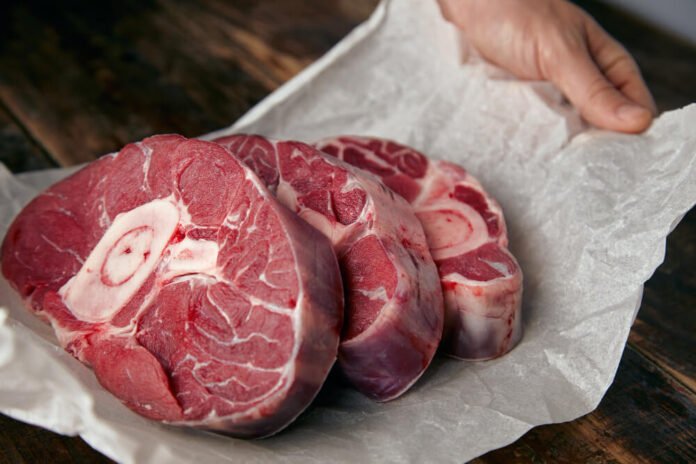
Walk into your local grocery store, and you might not spot the beef shortage right away. But check the prices, scan the meat section over a few weeks, and you’ll notice things have changed. The U.S. is in the middle of a serious beef shortage, and the effects are rippling out in ways that hit everything from your dinner plans to big-picture trade debates.
So, what’s causing all this and just how bad could it get? Let’s break it down.
The Big Beef Squeeze: A Rare U.S. Shortage
We’re used to seeing plenty of burgers and steak at backyard cookouts. But right now, the supply of U.S. beef is the tightest it’s been in more than 60 years. According to USDA figures, the country’s cattle herd has dropped to levels last seen in 1961.
This isn’t because folks stopped eating beef demand is still strong. Instead, the main problem started on the supply side. And fixing it? That’s going to take more time than most people realize.
Why Are Cattle Numbers So Low?
Think back a few years. In 2021 and 2022, the American West got hammered by major droughts. Ranchers in Texas and Oklahoma, two of the biggest beef states, couldn’t grow enough grass for their herds. Hay prices shot up. At that point, a lot of ranchers were forced to shrink how many cattle they raised, simply because the land couldn’t support more.
Now, even as pastures look a little better, beef production takes time. A rancher can’t just scale up quickly raising a calf to maturity is a multiyear process. As a result, the country’s beef supply has been stuck in slow gear since that drought, and experts say there’s no easy fix until at least 2028.
If you’re thinking this sounds oddly slow, you’re not wrong. Chickens or hogs can be raised and brought to market within months. But a finished steer? That’s a totally different timeline.
Trade Disruptions: Problems Go Beyond U.S. Borders
It’s not just homegrown cattle that keep beef plants humming. The U.S. also relies on imports especially feeder cattle from Mexico to help fill the gap.
But recently, imports from south of the border hit a snag. Mexican cattle imports were halted because of screwworm, a nasty parasite no one wants to see hitching a ride on livestock. That alone wiped out a key source of feeder cattle this year.
Brazilian beef has always been a backup source but there, the story isn’t much better. The U.S. put a whopping 76% retaliatory tariff on Brazilian beef, following trade disagreements. Later, some of those barriers faded, but they never fully went away. Beef from Brazil is now more expensive and inconsistent in supply.
So, between drought-slammed U.S. herds and shaky overseas supplies, we’re not looking at a quick comeback anytime soon.
Shifting Tariffs Stir More Uncertainty
If you’re trying to manage a supply chain in this environment, it’s a bit of a headache. Tariffs and trade policy have been seesawing all it takes is one change in Washington, D.C. or a shift in trade talks, and everyone’s plans are out the window.
In recent months, the U.S. eliminated some old barriers to Brazilian beef, looking to ease the shortage. But with Brazil facing its own production struggles, and trade partners reacting to tariffs, there isn’t a magic solution. Each policy step helps or hurts different players, so the actual results take a while to play out.
Think of it like a see-saw. Raise tariffs, and imports get expensive or slow. Drop them, and maybe supply picks up but only if the other country has beef to ship.
Where Does This Leave Prices? Higher And Staying There
If you’ve gone shopping lately, you’ve felt the squeeze already. Beef prices have hit record highs in 2025, and the forecasts for late 2025 into 2026 look the same or even higher.
Imports are up. By July 2025, beef imports jumped 13%, and annual projections say they’ll surge another 16%. But it isn’t enough to fix the shortage. Meanwhile, U.S. beef exports are sliding down 12% less in 2025, and another 4% expected in 2026. We’re essentially keeping more beef at home, just to meet our own needs.
Locally, most grocers and restaurants are just trying to keep shelves stocked. But in some smaller stores or chains, you may see more out-of-stock signs or prices that make steak a real luxury.
Global Effects: It’s Not Just an American Problem
The interesting part? Other countries are watching all this closely. Brazil, for example, is also dealing with cattle shortages, even as global demand for protein grows. European markets, especially, are hungry for more beef, but they’ve got their own regulations and supply headaches.
Because the U.S. and Brazil are top beef producers worldwide, decisions made here ripple out fast. Production cuts in both countries combined with steady or rising demand in Europe hint at a world where meat shortages, and big price jumps, could spread further in 2026.
Some ag economists even warn that we could see farm bankruptcies and deeper trade disputes, as countries argue over sourcing and prices. It sounds technical, but if you make a living in farming or food service, these shifts are anything but abstract.
How Retailers, Manufacturers, and Shoppers Are Adapting
Everyone along the beef supply chain has been forced to adapt, if they want to keep up with these changing times.
For retailers (the grocery chains and stores), the main answer has been to pare down their offerings. Maybe that means fewer cuts or more focus on what’s actually moving off shelves. By trimming SKUs (the individual items they track in inventory), stores hope to steady their beef supplies and keep quality consistent.
Here’s something cool: Retailers expanding their imported beef programs often use science-based grading standards, like Australia’s MSA system. This gives buyers more confidence in quality, no matter where the meat comes from. You can thank modern tracking and food science for that steak still tasting familiar, even if the cow came from a farm in Queensland, not Kansas.
Manufacturers the companies that turn raw meat into burger patties, stew beef, or ready-to-eat meals are also paying close attention. They’ve shifted focus to maintaining consistent meat trims, especially when using imported beef. The reason? Reliable lean-to-fat ratios cut down on risky product reformulations or surprise taste changes.
For regular shoppers (that’s us), the reaction’s been a blend of caution and creativity. People are still determined to get protein into their diets, but many are looking for deals or switching to more affordable cuts. Some are sampling alternatives like pork, chicken, or plant-based patties. Across the board, consumers want transparency: clear info about where meat comes from, how it was raised, and what it costs.
Retail stores and brands including a few highlighted in business media like The Biz Serum are rolling out “clean label” or origin-labeling programs to meet that demand. If the beef comes from Australia or Uruguay instead of Nebraska, they want you to know, and trust you’ll still get good value.
Imports: From Nice-to-Have to Absolutely Necessary
In the old days, beef imports were a supplement a way to fill in the gaps when something ran short. Now, they’ve become vital. The U.S. simply can’t meet national demand right now without help from abroad.
Australian and South American exporters are picking up the slack where possible, but no one country can backfill the U.S. shortfall on its own. Plus, with global supply chains under stress (think weather, disease outbreaks, and conflicts), even those imports face unpredictability.
This new normal introduces another headache: policy risk. As we saw with Brazil, one round of tariffs or a health inspection report can suddenly reroute hundreds of millions of pounds of meat.
That means price swings and sudden shortages could become the rule, not the exception at least until American cattle herds recover. And because beef production is so slow to rebound, we may all be living with this for years.
Thinking Ahead: Are Broader Food Crises Looming?
It’s tempting to think beef is just one slice of the dinner plate. But a persistent shortage in such a fundamental food has ripple effects.
For one, meatpackers and ranchers are seeing tighter margins and higher risks. Some may leave the business entirely, shrinking the farm sector. Restaurants, especially independents, might struggle to keep beef dishes affordable, or might cut down on their menus altogether.
There are also warnings from agriculture analysts about the bigger risks. If droughts, pests, and trade disputes keep stacking up across beef, pork, grain, and more we could be heading for a broader food crisis by 2026. Persistent shortages, unpredictable prices, and more fights between trading partners could turn what feels like a chronic food headache into a much bigger deal.
Put simply, food security something most Americans take for granted could be tested in new ways.
Bottom Line: Tight Supply Is Here to Stay (For Now)
So, where does all this leave us? For now, beef supply in the U.S. is going to stay tight. Prices won’t suddenly fall, and the industry is adjusting, not resetting yet. Imports are now a necessity, not just extra padding. Everyone from ranchers to shoppers needs to stay flexible and pay attention.
If you’re seeing more imported beef at the grocery store, or paying more for your favorite steak, you’re not alone. The supply chain is juggling a lot, and it might be a little while before things get back to “normal” whatever that ends up looking like.
Watch this space, and expect the grocery store meat aisle to keep making news. And if you really want to save on steak, now might be a good time to learn a great burger recipe just in case.

