
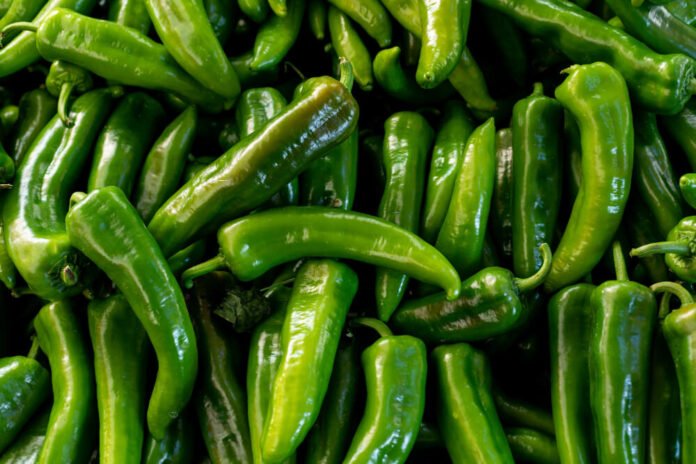
If you’ve scanned the salsa aisle recently, you might’ve noticed a big change jalapeños are suddenly hard to find. It’s not just your local taco spot feeling the pinch. Across North America, processors, restaurants, and spicy food fans are scrambling for supplies. This jalapeño shortage isn’t a blip or some food trend. It’s the latest and maybe the most severe in a run of problems facing one of the most important peppers in the food business.
You might think of jalapeños mainly as something you slice onto nachos. But behind the scenes, they’re a staple crop, crucial for everything from fresh produce to popular sauces like Sriracha. That spicy kick in your favorite foods? It’s probably traveled thousands of miles to get there.
How Did We Get Here? A Perfect Storm for Jalapeños
Ask any produce buyer what’s going on and nearly all will mention the climate. Since late 2022, farms across Mexico where jalapeños are mainly grown have faced their worst drought in decades. During winter 2022–23 and straight into mid-2024, about 76% of Mexico suffered water scarcity. Places like Chihuahua, which normally crank out heaps of peppers, saw scorching temperatures far earlier than usual. Crops that should have kept growing until summer suddenly started maturing and dying off weeks ahead of schedule.
Some growers tried to stretch irrigation. But when there’s no water, even the hardiest plants can’t keep up. You get smaller yields, skinnier peppers, and a much shorter growing season overall. By early spring 2024, fields that should’ve been green with jalapeños were already picked over.
This isn’t the first time Mother Nature has messed with the pepper pipeline. Weather blips happen most years, but these back-to-back droughts are something different. There’s just less wiggle room when everyone relies on the same fields.
Why Red Jalapeños Are a Special Problem
Here’s something a lot of folks don’t realize: not all jalapeños are created equal. When you see green jalapeños at the store or on a burger, those are picked before they turn color. They’re everywhere California grows a fair chunk of them, just not as many as Mexico.
Red jalapeños, though? Those are left on the plant to ripen longer, and they’re essential for Sriracha sauce and other hot sauces. Only a fraction of the crop becomes red, which makes that supply extra vulnerable. If the weather cuts a season short, the red jalapeños just never show up.
That’s one of the big reasons Sriracha, in particular, has faced recalls and rationing in recent years. Most Sriracha producers source directly from a handful of farms. When those farms struggle, there’s no easy backup.
The Chain Reaction Through Supply and Prices
All this means the supply chain gets real shaky, real fast. Remember when shoppers rushed to get hand sanitizer or toilet paper? It’s kind of the same now with jalapeños, just on a smaller scale. When the main growing regions in Mexico run dry, buyers everywhere scramble.
There isn’t a deep bench of alternative growers. It’s not like you can flip a switch and move to a new source overnight. California produces some jalapeños, but it can’t make up the shortfall that fast. Smaller operations in the U.S. might fill a few gaps, but there’s simply not enough.
And when the supply drops, prices pop. During previous shortages like in December 2022 and April 2024 prices for jalapeños from Pharr Texas (a hub for U.S. imports from Mexico) jumped as much as 50%. Hot sauce manufacturers couldn’t keep up. Restaurant suppliers had to ration, forcing chefs and chains to scramble for alternatives.
These price surges aren’t subtle. They happen almost as soon as the shortage hits: one bad weather report, and the cost per case shoots up at market auctions. For anyone who needs jalapeños by the ton think salsa factories, chip brands, foodservice distributors the shock is immediate. Even the basics, like fresh nachos or pickled peppers for sandwiches, start costing more to make.
A Look Back: This Cycle Isn’t New
Some folks remember the 2008 salmonella outbreak. For a while, jalapeños were linked (sometimes incorrectly) to major recalls. Entire shipments got pulled from stores, and fresh peppers were destroyed if there was even a hint of risk.
It was a different sort of problem from drought, but the outcome was pretty similar: prices up, supplies down, consumers frustrated. Sriracha shortages that started in 2020 followed much the same script one shakeup in the supply chain, and suddenly there’s not enough hot sauce to go around.
Food companies learned the hard way to expect surprises. But even the best plans only go so far when every year brings another curveball weather, disease, or market panic.
Who’s Feeling It? The Effects Ripple Out
Go ask a taqueria owner or a grocery buyer they’ll tell you how disruptive these shortages can be. For small restaurants, wholesale prices can jump out of budget range overnight. Sometimes they swap to another pepper, but it’s not quite the same. Customers notice.
Bigger manufacturers, like the folks behind mass-market salsa or hot sauce, get hit even harder. Their contracts depend on steady deliveries, and if jalapeño puree dries up, it halts or delays entire production lines. That’s why Sriracha and other products have seen waves of “temporarily unavailable” signs.
Many processors have started to hedge their bets. Some now mix in other kinds of chili peppers during a shortage, even though the taste can change. Sourcing teams are also casting a wider net looking at more regions of Mexico, small U.S. growers, and even testing out new varieties that grow under tougher conditions.
There’s also some cross-border teamwork happening. U.S. and Mexican officials are working on water management projects, while growers lobby for more drought-resistant crop research. But none of this fixes supply overnight.
Looking Ahead: Are These Shortages Our New Normal?
The tricky thing is, climate swings like drought and heatwaves aren’t expected to go away. If anything, they’re likely to get worse. Northern Mexican states, which produce the bulk of export jalapeños, are especially exposed to these patterns.
Then there’s the twist that comes with how the crop is grown. Jalapeños aren’t harvested year-round; there are peak times and gaps. The winter 2023–24 harvest ended earlier than expected, leaving a longer-than-usual window before the summer crop could be ready. Analysts say these “between” periods could stretch out even further if droughts keep shortening the seasons, which would mean more frequent gaps in supply.
Some have started experimenting with hot pepper varieties that can take more heat and less water. But changing entire farming systems is slow, especially when you’re working with customers who expect the same taste and price as always.
Plenty of folks in the food business are skeptical about how quickly the situation will bounce back. Some expect the shortage to extend into late 2025 if the weather doesn’t cooperate. That means anyone involved from farmers to food brands to chili-heads at home will be feeling the pinch a while longer.
Changing the Way Jalapeños Are Grown and Sourced
The current crisis has sparked more talk than ever about diversifying supply and scaling up domestic production. Some U.S. growers are trying to fill in the gaps by expanding acreage, especially in California and Texas. It’s not easy, given all the costs, labor needs, and competition for water.
Innovations in irrigation like drip systems that conserve water are spreading, but those investments take time and money. Meanwhile, buyers are setting up new supplier relationships as insurance against sudden shortages.
When you check in on produce industry reports or outlets like The Biz Serum, you’ll see this conversation repeated month after month: Can we buffer the risk, or is this just the new rhythm for hot peppers? That uncertainty is baked into every step of the supply chain now.
What All This Means If You Love Spicy Food (Or Sell It)
If you’re someone who picks up jalapeños at the store every week, you might not feel the pinch every trip. But you could see prices go up or the shelves left empty now and then. If you work in the food industry, the pain is sharper and more unpredictable.
Some companies are adding a “spicy surcharge” during shortage periods. Others are reworking recipes. There’s a real scramble to keep the flavor consistent. For restaurants, that means sometimes switching to milder peppers or using preserved jalapeños instead of fresh.
Grocery shoppers might also see more imported or frozen options when fresh jalapeños aren’t around. Occasionally, you’ll notice Sriracha and similar sauces pulled from shelves for weeks or even months at a stretch. The customers who notice are usually big fans, so the social media chatter always spikes when this happens.
Is There a Fix? Or Is This Just Part of the Pepper Game?
Looking back, peppers have always had their ups and downs. But these last few years, the swings have gotten bigger. Droughts are worse, prices jump farther and faster, and the supply web feels more fragile.
The main hope, from most industry players, is to build in more “shock absorbers” more sources, hardier crops, better logistics. The folks who can manage the turbulence will manage to keep their salsa flowing, even if it never gets quite as cheap or predictable as it once was.
Nobody can promise jalapeño shortages won’t happen again next year, or the year after that. But everyone involved from farmworkers in Chihuahua to sauce companies in California to shoppers in Chicago are dealing with it head-on. For now, patience, creative substitutions, and a little luck with the weather will go a long way.

