
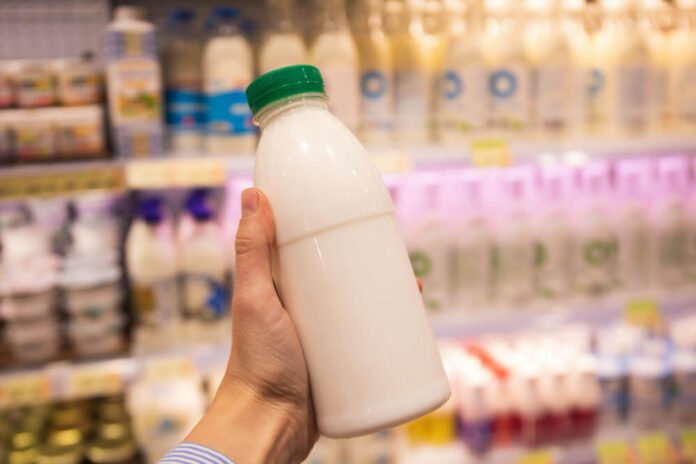
Let’s get this out of the way: there’s no widespread milk shortage in the U.S. right now. If you’ve seen headlines or social posts about empty shelves or talks of a “milk ban,” that doesn’t really hold up. Actually, if anything, the numbers and reports point the other direction we’ve got more than enough milk, maybe even a little too much. So, what’s really happening? Let’s break down the numbers, prices, rumors, and what’s around the corner for your glass of milk in 2026.
You can follow The Biz Serum for more guides!
America Is Not Running Out of Milk Supply Is Actually Up
Worried about your morning cereal or your coffee creamer? You probably don’t need to be. The U.S. Department of Agriculture is expecting the nation’s dairy production to climb to about 234.1 billion pounds in 2026, up from 231.4 billion pounds last year. That’s a pretty big jump, mostly pushed along by a slightly bigger dairy herd and a little boost in productivity.
You might notice farmers and dairies actually talking about too much milk, not too little. The kind of oversupply that makes it tricky for them to get good prices. The big takeaway here? We’re not in shortage mode. At the store, you’ll find all the basics whole, 2%, skim, maybe even your favorite local chocolate milk.
What’s Up with Milk Prices in 2026?
Now, just because you see all that white in the dairy case, that doesn’t mean everything’s rosy for the people producing it. Dairy pricing is its own beast and right now, milk prices are way down compared to the last couple of years.
The benchmark Class I base price (the starting point for what fluid milk gets paid) slid to $16.35 per hundredweight (cwt) this January. That’s a big drop down almost two bucks from last month and more than four bucks from last year. For regional context, prices go higher in Florida (around $23.15/cwt) and lower in Arizona ($18.95/cwt), but most of the country is in the ballpark of $20.47/cwt as an average across the Federal Milk Marketing Orders, which is how milk payments get set.
Here’s where it gets interesting: It’s not just the “base” price that’s off. The value of what’s inside the milk like skim milk (what’s left after the cream is out) is down too, now at $11.17/cwt. Butterfat, which ends up in things like butter and ice cream, is pulling only $1.59 per pound. That’s a dime lower from the end of 2025, and a pretty soft turn if you’re running a dairy business.
These weaker prices are really just supply and demand at work. More milk, a bit softer demand, and the numbers slide for the folks doing the milking. If you’re buying at the store, you might not see a huge price break, since transportation, packaging, and retailer markups layer on top.
What About Milk Shortage Rumors? The “Trump Milk Ban” and Other Stories
You might have seen a few viral videos or social media posts warning about milk shortages in 2026. The most eye-catching is probably the story about a “Trump milk ban” or new tariffs hammering the dairy market. Some people have pointed at momentary gaps on the shelves, suggested cheese was getting harder to find, or said there’s panic buying brewing because of policy worries.
Let’s just be clear: these rumors don’t stand up to much scrutiny. There’s no solid reporting from the big dairy groups or agriculture agencies showing that milk imports are getting blocked or that shelves across the country are really running dry. Any spot shortages you might see at a local shop probably have more to do with deliveries, store management, or maybe some local hiccup in the system.
If you look for the real data, you find that overall dairy supply in the U.S. is up, prices are down at the farm, and nobody not the supermarkets, not the USDA is confirming actual national shortages. Even predictions about cheeses or “premium” dairy drying up don’t have much behind them right now. Policy rumors are out there, but actual impacts on what you can buy are not in play for most Americans.
What’s Driving These Price Drops and Stories?
So if shelves aren’t empty, why the sudden drop in prices and the swirl of rumors? A few things are happening at once in the dairy world, and some of them make for good internet chatter.
First, let’s talk schools. There’s a fresh law starting soon that’ll let cafeterias serve whole and 2% milk again, not just nonfat and 1%. This came after a long push from dairy farmers who argued that whole milk just tastes better, so more kids might actually drink it. Farmers are hoping this change gives demand for drinking milk a shot in the arm, especially since prices are hurting.
But the rest of the dairy picture is more complicated. Farms are dealing with a lot of behind-the-scenes headaches: labor shortages (not enough workers for the barns), higher costs for things like feed and fertilizer, and even worries about water or weird weather hitting their crops. These push production costs up, even when the selling price is sagging.
Diets are also changing. More people are choosing whole milk and cheese over nonfat options. That’s good for those product categories, but it doesn’t add up to a huge new spike in total dairy demand at least not yet. And while plant-based options keep chipping away at the dairy case, they haven’t sparked actual shortages, just more competition.
The Reality: Tough Times for Farms, But Stores Stay Stocked
It might seem odd that we have farmers losing money while the store fridge is still full. But that’s pretty typical in U.S. agriculture, not just with dairy. Food supply chains run on a knife’s edge small price swings can mean boom or bust for the people doing the hard work.
For now, the headlines are about economic pain in dairy, not products going missing. The annual average milk price in 2025 was $18.94/cwt, which is down from the previous year and not great for budgets but it didn’t mean shortages for shoppers. If anything, it’s a tough climate for the people milking cows, not a reason for you to hoard jugs for your fridge.
And for all the gloom around prices, no reports point to stores running out of basic milk, cream, or most short-shelf-life dairy products. Cheese might shift up or down in price based on which region you’re in or import quirks, but there’s still plenty of it to go around.
How Policy Changes Could Shape the Dairy Aisle Ahead
The new law letting schools serve whole and 2% milk might nudge overall dairy demand a bit higher in the coming school year. A lot of kids don’t like nonfat, so the bet is they’ll drink more milk if they get to pick what they actually want. That’s good news for dairy farms, at least on paper.
But the bump probably won’t be huge right away. It takes time for those changes to ripple out, and overall market demand can swing for all sorts of reasons what people eat at home, how much cheese goes into takeout pizzas, even how many lattes shops sell if prices shift. Farmers hope this gives them a little more breathing room, but it’s not a surefire fix.
Most of the other pressures labor, feed prices, annoying insurance bills are tougher to tackle overnight. So, milk is staying on the shelves, but farmers are watching the bottom line every month.
Bigger Picture: No Milk Crisis, but Lots to Watch
If you’re simply trying to grab a gallon for the family, there’s no need to rush or worry. Production is up, prices are down, and any talk of a “milk ban” isn’t showing up in the real numbers. Your local dairy’s profit margin is another story these low prices sting for small and medium farms, pushing some to cut back or rethink what they produce.
What experts and industry watchers are keeping an eye on are the next few months’ announcements from the Federal Milk Marketing Orders (FMMOs). These tell producers (and everyone else) what milk is really worth for different markets. There’s a lot of chatter about the next update in mid-February no one expects a price spike, but there’s always a chance tweaks could affect local grocery costs in little ways.
Some folks especially those in regions that import a lot of specialty cheese or unique dairy products could see small, local shortages, but nothing nationwide. Most analysts agree: for now, there’s enough milk.
For more on changing food trends, supply chain talk, and real-world business updates, you can check out sites like The Biz Serum.
Here’s the Short Version: Milk Is Plentiful, but Prices Are Rough for Producers
We’ll keep seeing milk in the stores. If you’re worried about those stories saying “milk’s disappearing,” you can relax for now. If you’re a farmer or in the dairy business, you’re probably more worried about how low those checks look when they come in.
Policy, weather, and diet trends could all shift the story later this year. We’ll keep an eye on major announcements and let you know if there’s a real change in the milk market. But for now, the only thing that’s short is the price, not the supply. If you want some peace of mind, the dairy aisle’s got you covered at least for another week’s worth of cereal and lattes.

